
Norman Residents to Vote on Bond for New Homeless Services Facility
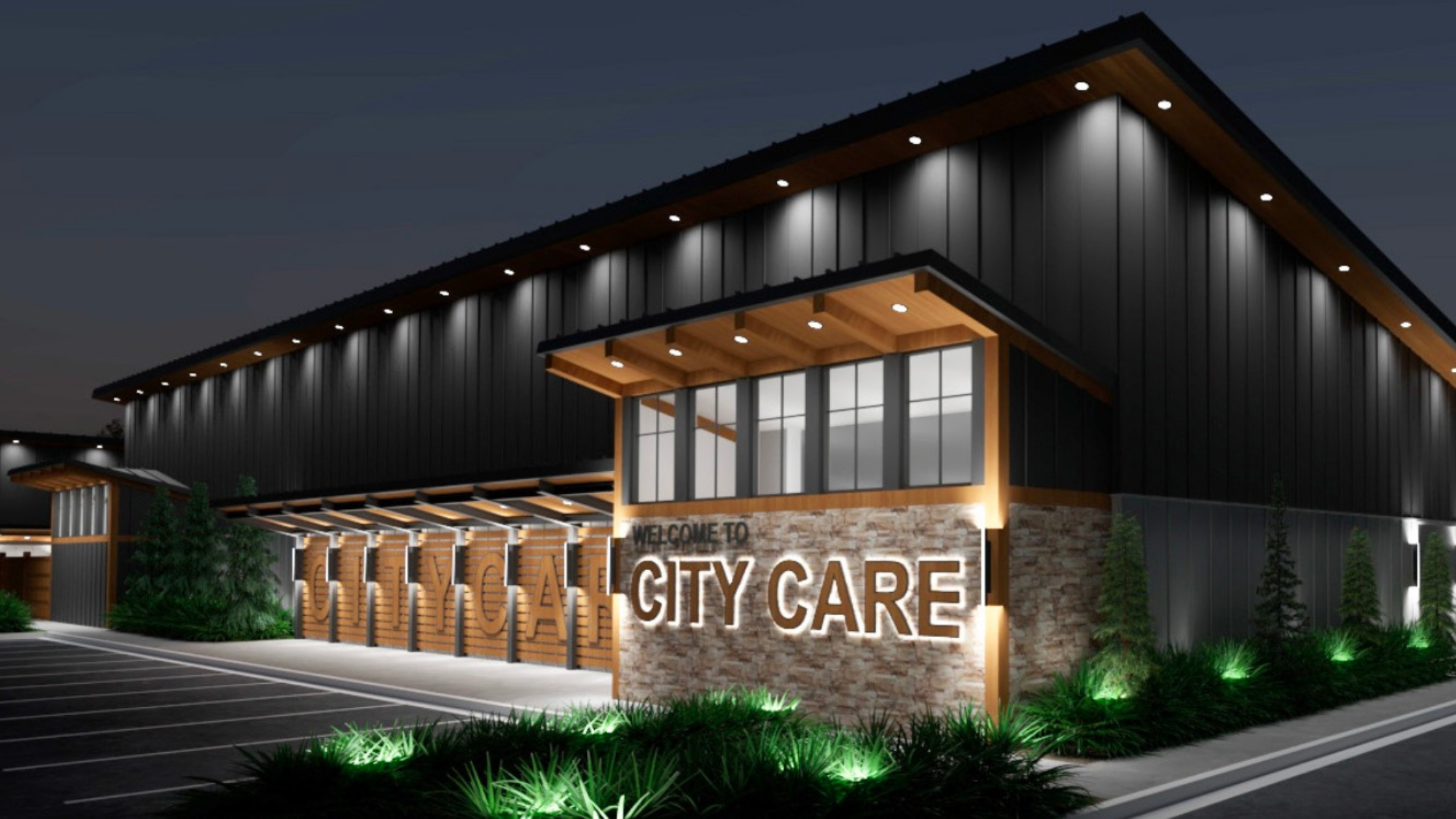
Norman, OK – On April 7, 2026, Norman residents will vote on a bond that, if approved, would ensure permanent, reliable support for the city’s neighbors experiencing homelessness.
In 2025, City Care, a local nonprofit with existing operations in Oklahoma City, was contracted to manage the shelter on West Gray Street. Now, the organization has an opportunity to re-envision and implement key resources for the community with a new location and updated services.
Ahead of the April election, City Care encourages voters to learn about the profound impact Proposition 5 will have on the city of Norman. Below are answers to some of City Care’s most frequently asked questions about the proposed shelter and rehousing hub.
Who is City Care? City Care was founded in 1996 with the vision of ending the cycle of social injustice and severe poverty, one person at a time. The 501(c)(3) nonprofit organization tackles the root causes of homelessness while building the safety net people need now. City Care uses best-practice, evidence-based solutions to offer both immediate help and long-term stability for our communities’ neighbors who are most at risk of new or continued experiences of homelessness.
What is Proposition 5 about on the upcoming ballot? The proposed GO bond, funded by property tax revenue, would enable the construction of a permanent homeless shelter and resource facility to feature women’s and men’s dorms, family units, medical respite rooms, a pet hotel and dog run, showers, and storage areas for guests’ belongings. The facility would serve up to 120 guests per night. Within the rehousing hub, the organization will also offer comprehensive supportive programs designed to help clients gain long-term housing, such as solving barriers to employment and obtaining necessary documentation for housing, like ID acquisition and lease application assistance.
Does Norman really need a new shelter? According to preliminary evidence from the 2026 Point-In-Time (PIT) count, an annual, 24-hour, nationwide survey that provides a snapshot assessment of a community’s scope of homelessness, more than 230 Norman residents are currently experiencing this crisis.
The current shelter facility, which was built in the 1960s and designed for other purposes, lacks key resources and is in dire need of renovation. The building can only safely accommodate 52 guests nightly. It also lacks some critical amenities for the well-being of all neighbors, including family suites and close proximity to partner resource providers. The new shelter would address these issues and ensure the safety and dignity of all guests seeking services.
What exactly is a low-barrier shelter? City Care’s services exist for everyone in need. The organization’s model ensures that those seeking shelter can have equitable access and eliminates common barriers to receiving help by having flexible curfews, creating safe spaces for pets and families, supporting people’s sobriety or recovery pursuit, and offering access to those without ID cards, among other services.
Would a new shelter help solve homelessness or merely prolong it? While City Care’s low-barrier approach to emergency shelter allows guests to stay as long as needed, the proposed facility is designed to be a short-term stabilization point and launchpad for the housing acquisition process. From day one at intake, guests are connected to housing navigation services, case management, healthcare, behavioral health services, employment support and other supplemental benefits enrollment. The goal is movement from the street to shelter, from shelter to housing, and from crisis back to stability. Communities across the country that approach emergency shelter more as re-housing hubs see faster exits from homelessness and fewer returns to crisis. Connecting people to housing and services is the only approach proven to reduce homelessness over time.
Would this improved shelter attract additional people who are unhoused from outside of Norman? The vast majority of people who would use this shelter already live in Norman or have strong ties to Norman and Cleveland County. Local data consistently shows that people experiencing homelessness are not relocating here for services. They are longtime residents who have lost housing due to rising rents, job loss, medical debt, disability or family disruption. This bond allows Norman to care for its own neighbors, rather than relying on other cities to absorb a local need.
2025 PIT data for Cleveland County revealed that 65% of surveyed individuals reported living in Norman prior to their experience of homelessness. Only eleven people reported previously living elsewhere in Oklahoma.
How would a “Yes” vote impact Norman residents financially? With the passing of this bond, impacts on property tax payments would be minimal. Norman residents will only see marginal increases to their annual bill, based on home value. The estimated average annual increase would be $3.26 for homes valued at $100,000; $6.81 for homes valued at $200,000; $10.36 for homes valued at $300,000; $13.91 for homes valued at $400,000; $17.46 for homes valued at $500,000.
Additionally, emergency service utilization like police calls, emergency room visits, and encampment cleanups cost more to the public and do not resolve the root causes of homelessness. This investment replaces repeated crisis response with a system that actually solves the issue. A centralized, professionally operated shelter reduces strain on emergency services, law enforcement, hospitals, and local businesses. Rehousing homeless service models cost less over time than unmanaged homelessness, and the GO bond would be a one-time capital investment, creating long-term infrastructure for a persistent community need. This would be a wise, community investment that lowers long-term public costs while improving community well-being.
Where will the new shelter be? What is the timeline for this project? The City of Norman has already purchased a property on Reed Avenue, south of Griffin Memorial Hospital. With the introduction of funding from Proposition 5, the new facility could be completed within two years. During that time, the existing shelter will continue operations.
Will the shelter impact safety in the area surrounding it? Safety, dignity, and accountability are built into City Care’s service model. The shelter will have clear policies, professional staffing, and strong partnerships with local systems. Indoor spaces reduce unsheltered homelessness in public areas and create safer conditions for everyone. Accountability is built into operations, outcomes tracking and public reporting. A well-run shelter improves safety for guests, neighborhoods and the broader community.
If Proposition 5 doesn’t pass, what will happen? City Care remains committed to the construction of a new, low-barrier shelter for those in need. However, funding is critical to the timely and successful implementation of these plans.
What else should I know about voting? To cast a ballot, residents must be registered to vote no later than March 13. The deadline to request an absentee ballot is March 23, and early voting will be available on April 2 and April 3. To register to vote, check your current registration status or locate your polling place, go to oklahoma.gov/elections.
Homelessness is driven by specific, well-documented factors: lack of affordable housing, wage stagnation, disability, untreated health needs and gaps in behavioral healthcare. A shelter alone does not solve homelessness. A shelter paired with housing access and services does. This project is designed to address those root causes, not just their visible symptoms. If we want different outcomes, we must invest in different solutions.
Homelessness does not resolve itself. Communities that make thoughtful, evidence-based investments see real change, and City Care believes that Norman can do just that.
